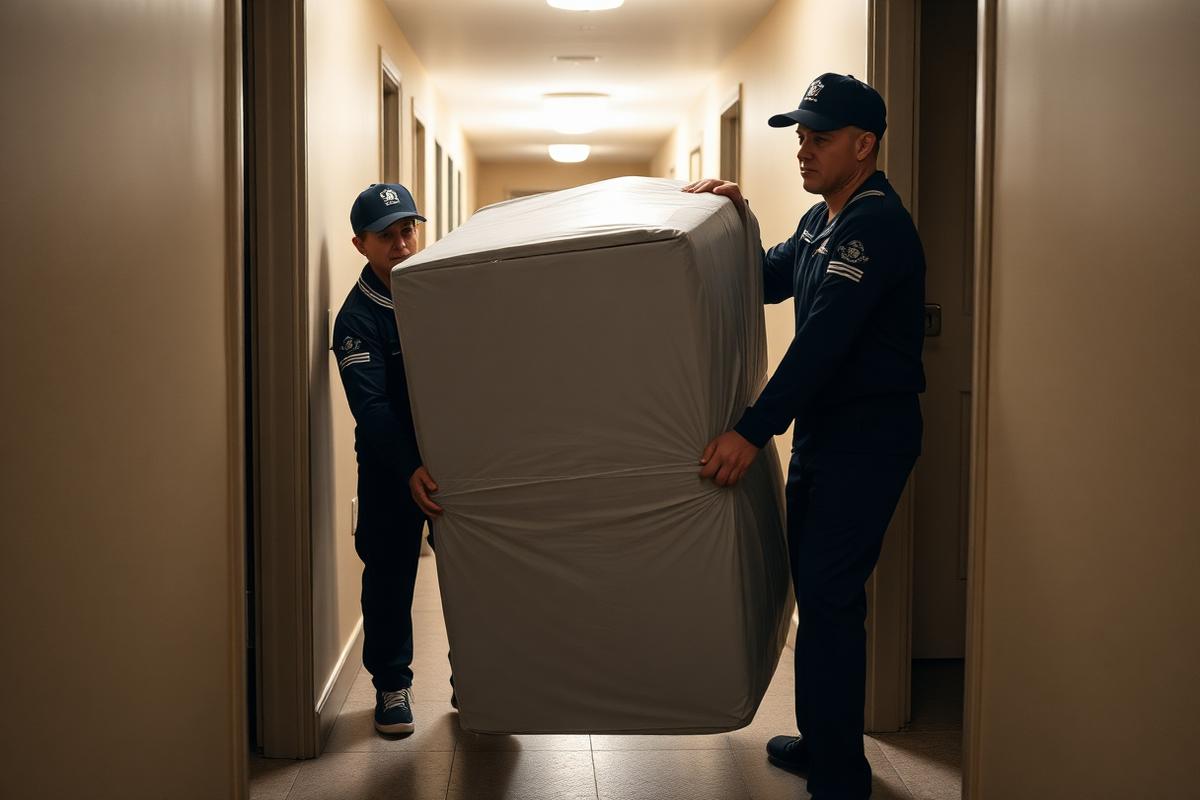
Kitchen appliances are heavy, awkward and full of parts that move independently of the casing. Preparing them properly takes a day of lead time, which is exactly why it is the step most often skipped.
Refrigerators need a full day of preparation
Empty it, defrost it and dry the interior completely at least twenty-four hours before the move. Trapped moisture creates odour and mould inside a sealed, wrapped appliance. Remove shelves and drawers, wrap them separately, and tape the doors closed only after the interior is dry.
Washing machines must be drained and secured
Drain the drum and hoses fully, and detach and bag the hoses. Where transit bolts are available, fit them — they stop the drum swinging inside the casing, which is the most common cause of transit damage to a washing machine.
Microwaves and ovens
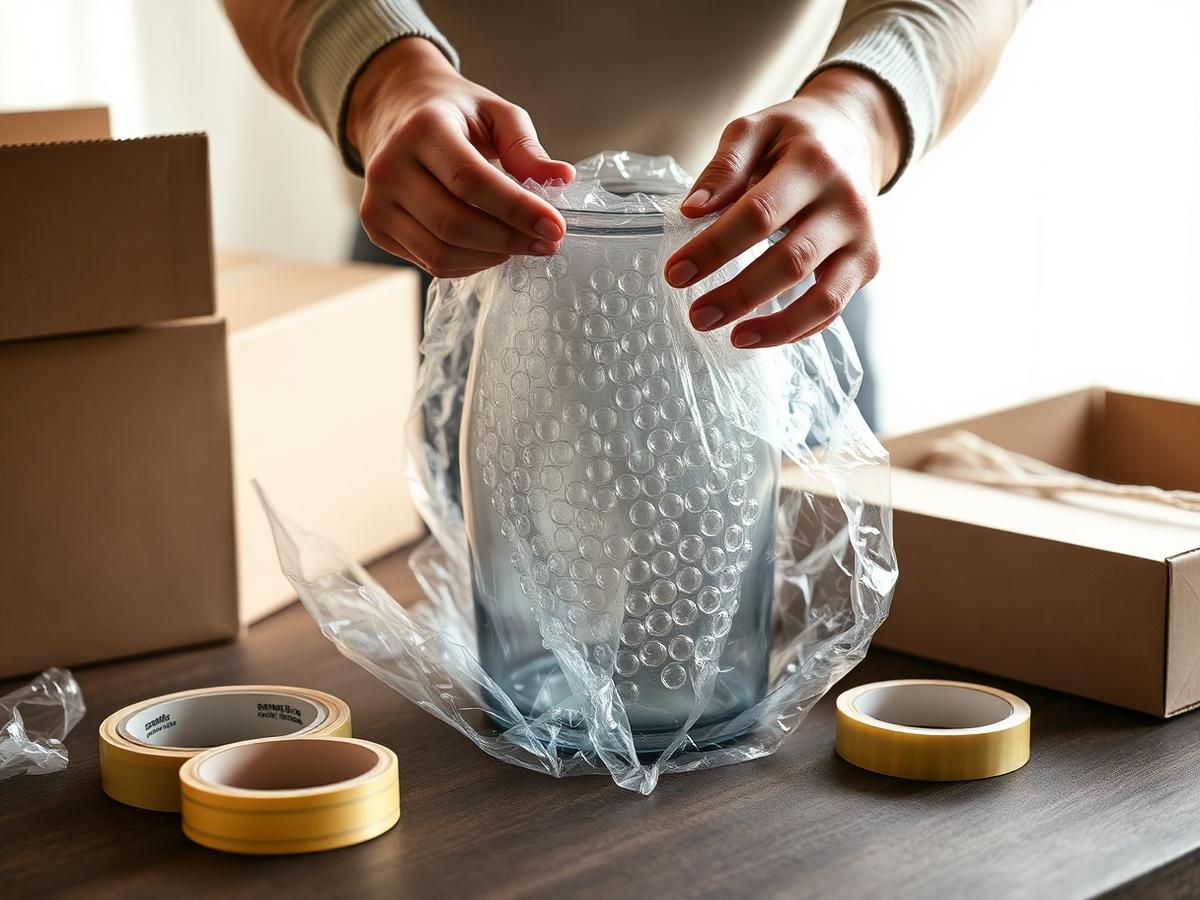
Remove the glass turntable and pack it as a fragile item — it is one of the most frequently broken pieces in a kitchen move. Wrap the appliance body, cushion the corners and keep the door taped shut.
Small appliances
Mixers, grinders, blenders, kettles and toasters travel best partly disassembled.
- Detach jars, blades and removable attachments and wrap them separately
- Wrap and bag cables with the appliance they belong to
- Empty water tanks and crumb trays completely
- Use original boxes where you still have them
Label with the plug in mind
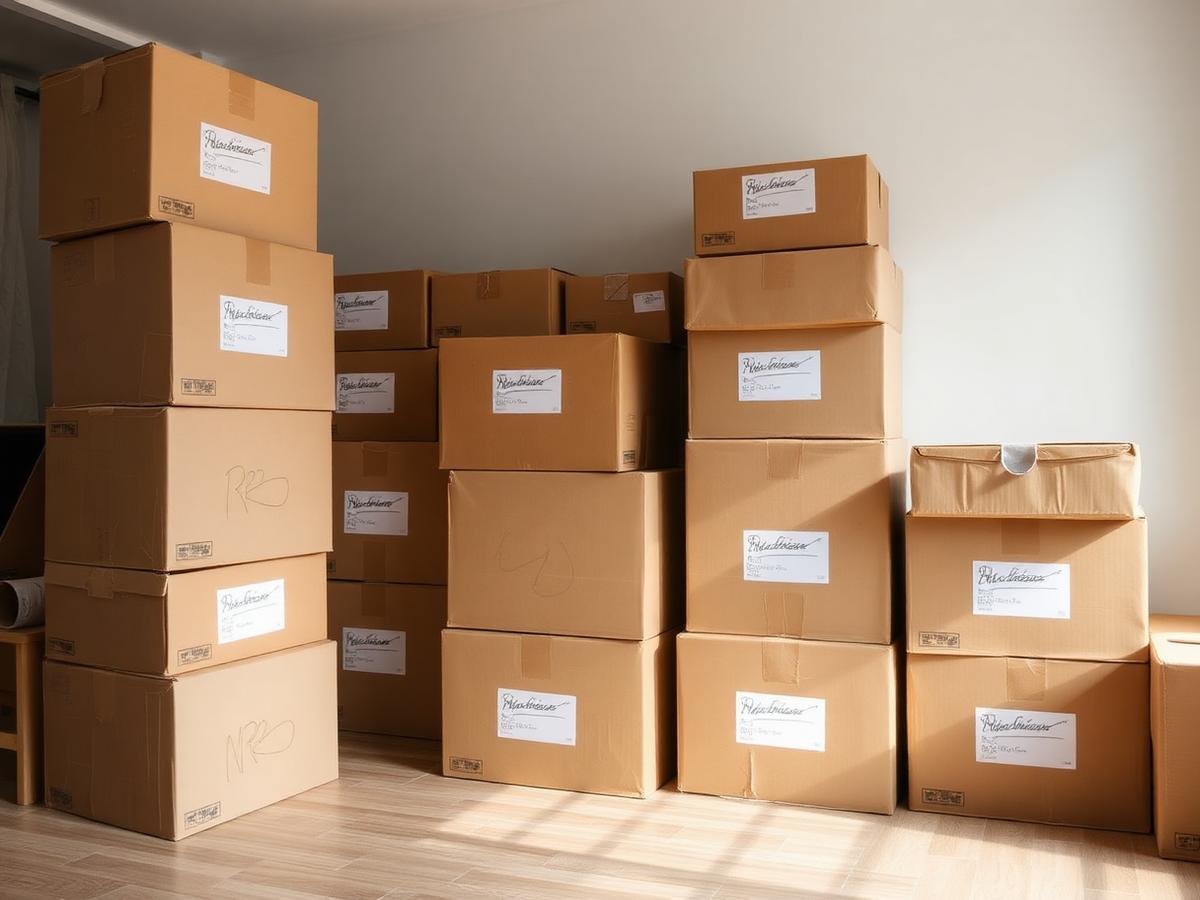
Mark each appliance carton with its contents and the room it belongs to. Appliances are usually the first things you want working, so they should be identifiable without opening five boxes.
Let them settle before switching on
A refrigerator that has travelled should stand upright for several hours before being powered on so the refrigerant settles. Switching it on immediately after transport is a common and avoidable way to damage the compressor.
Planning this move yourself?
Star Packers & Movers handles packing, loading, transportation and placement end to end. Quotations are free.
Written by Star Packers & Movers · Last updated 9 March 2026 · Back to blog